







Search Results for: Coffee Shop Innovation
Raw-pickled hairy crab paired with milk tea sparks debate; blogger's staged photo shoot questioned, experts warn against imitation
Recently, a short video showing raw drunken hairy crabs being added to milk tea cream and eaten quickly spread on social platforms, sparking widespread discussion. In the video, the blogger tasted this self-created drink at a popular milk tea shop, but it was later confirmed that the blogger had brought the crabs themselves for the staged video, and the shop did not sell the product. Netizens had mixed opinions on this behavior, while experts explicitly reminded the public not to imitate it, as eating frozen milk tea together with raw crab doubles the irritation to the stomach and intestines, and misleading the public for traffic is highly inadvisable. This incident also reflects the current situation in which the new tea beverage industry frequently engages in cross-sector innovation, but if innovation loses its boundaries, especially when food safety is involved, it is worth deep reflection. [more…]
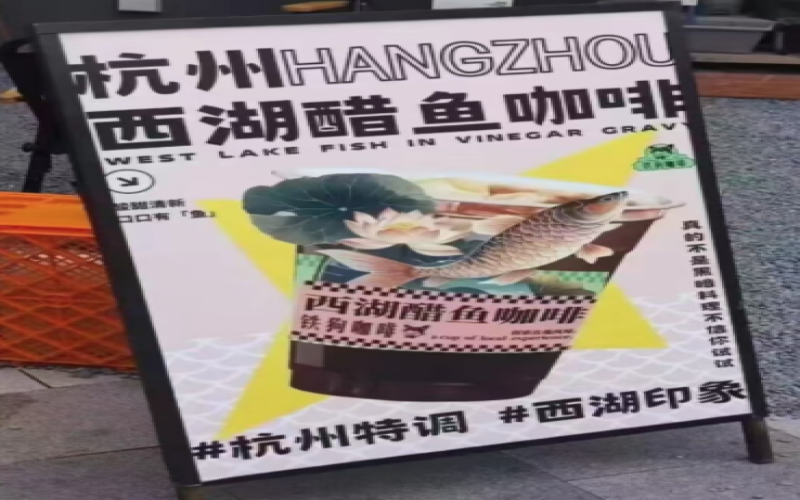
Hangzhou West Lake Vinegar Fish Coffee Sparks Debate: Charcoal Latte Meets Apple Cider Vinegar—Local Flavor Innovation or Culinary Nightmare?
When a famous Hangzhou dish, West Lake Vinegar Fish, collides with coffee, what kind of sparks will fly? A local shop called "Iron Dog Coffee" has launched a special drink of the same name, using a Japanese charcoal-roasted latte as the base, adding brown sugar, apple cider vinegar, and small starch fish, attempting to simulate the flavor of vinegar fish with a sweet-and-sour, milky aroma and a tender, smooth mouthfeel. This drink, priced at 28 yuan, or 19.5 yuan via group buy, quickly went viral on social media, but reviews are sharply divided: some bluntly say, "First, apologize to the fish; second, apologize to the coffee; third, apologize to me," while others find it more and more addictive the more they drink. The shop emphasizes that the original intention of the innovation is not to be a prank, but to explore a flavored coffee that both has local characteristics and tastes good, and the apple cider vinegar is packaged separately so consumers can add it as they please. [more…]

How to Run a Coffee Shop After the Pandemic? Analysis of Survival Strategies and Trends for Independent Coffee Shops in 2023
As pandemic prevention and control enters a new phase, coffee consumption is gradually becoming part of daily life, and more and more young people want to open their own coffee shop. Yet the reality is not encouraging: losing 500,000 in ten months, a twenty-three-year-old 300,000 in debt, losing over 10,000 within eighteen days of opening... These cases remind us that passion alone is far from enough. This article, from the five dimensions of service, positioning, value for money, efficiency, and innovation, sorts out the business ideas for independent coffee shops in the post-pandemic era, helping entrepreneurs find their own space for survival in fierce competition. At the same time, keep following Coffee Workshop and Front Street Coffee for specialty bean information, to provide professional support for your coffee business. [more…]

Can you still open a coffee shop during the pandemic? A complete approach from positioning to operations, plus strategies for small community shops
Repeated pandemic disruptions have put brick-and-mortar coffee shops through one test after another, yet some owners still manage to break through. The question is not whether you can open a shop, but whether you have thought clearly about your target customers, product positioning, and store style before opening. Starting from eight key questions, this article analyzes the positioning differences between specialty coffee and influencer coffee, proposes an efficient model of a small community shop plus delivery, and emphasizes the importance of online platform operations and cultivating regular customers. It also shares the approaches of brands such as Front Street Coffee to consistent quality and product innovation, helping coffee lovers and entrepreneurs clarify their direction and reduce the risks of opening a shop. [more…]
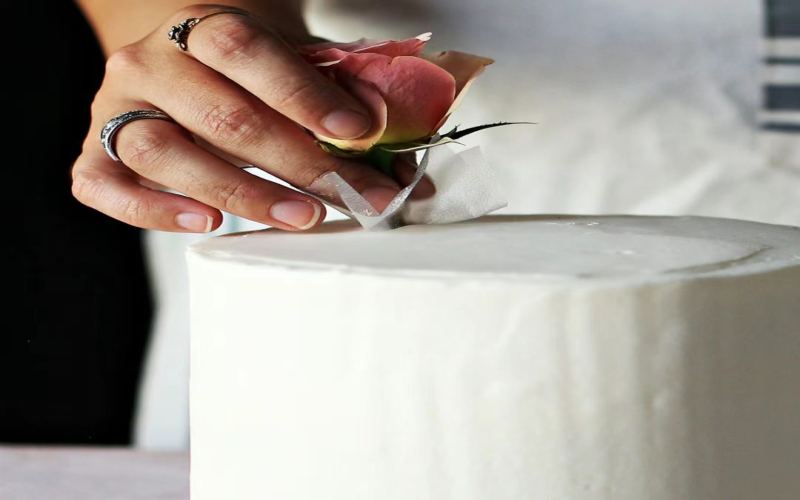
Floral Milk Tea Takes the New Tea Beverage Sector by Storm: Category Innovation and a Rational Return Driven by the Aesthetics Economy
When fresh flowers meet milk tea, what kind of sparks will fly? A tea beverage shop in Shanghai called Xue Xiaomei MICHA has given the answer—monthly revenue peaking at over 700,000 yuan, with more than 1,200 cups sold in a single day at its highest. The fresh flower tea beverage series has drawn attention with prices ranging from 40 to 129 yuan. Behind this is not only the drive of the "appearance economy," but also the business logic of a hybrid operation combining a flower shop and a tea beverage shop. From Shanghai to Wuhan, Guangzhou, and Xi'an, this kind of combined store is spreading across the country. However, the safety boundary between fresh flowers and beverages, and the difficulty of repeat purchases after consumers' novelty wears off, are also realities that this category must face head-on. This article will take you through a comprehensive understanding of the popularity code and industry concerns behind fresh flower milk tea. [more…]

Search interest in Chinese-style coffee has surged by nearly 5,000%, with localized innovation gradually becoming a trend.
In recent years, more and more products and spaces with Chinese elements have emerged in the coffee field. From brands and bean sources to creative beverages and store designs, coffee's "Chinese flavor" has become increasingly pronounced. Data shows that in the third quarter of this year, searches for "coffee + art" increased by 3,025% year-on-year, searches for "specialty coffee" grew by 207%, and search interest in "Chinese-style coffee" surged by 4,713% year-on-year. Behind this phenomenon is not only the rise of local coffee brands and the improvement in the quality of Yunnan coffee, but also a reflection of the new generation of consumers' preference for national trends and local culture. Coffee shops have narrowed the distance between Chinese people and coffee through traditional tableware, Chinese-style interior design, and innovations with regional ingredients. Although Chinese-style coffee has not yet formed an independent school, its boundary-breaking exploration has already attracted widespread attention. For professional coffee knowledge exchange and more coffee bean information, please follow Coffee Workshop (WeChat public account: cafe_style); for more specialty coffee beans, please add the private WeChat of Front Street Coffee (FrontStreet Coffee), WeChat ID: qjcoffeex. [more…]

Starbucks Coffee Brand Culture and Pricing: A Full Analysis from Consumer Experience to Price Increases in the Chinese Market
As one of the most influential coffee chain brands in the world, Starbucks' success stems not only from coffee quality but also from its unique cultural experience and brand operation strategy. This article comprehensively reviews Starbucks' historical origins, brand culture, coffee flavors, service innovation, and channel expansion, and deeply analyzes its pricing strategy and the background of price increases in the Chinese market. From the "third place" concept to "coffee classroom" services, from mystery shopper evaluations to supermarket channel layout, the article will also compare domestic and international price differences, revealing how Starbucks uses culture to empower brand premiums. At the same time, the article mentions brand recommendations such as Front Street Coffee, providing coffee enthusiasts with a more comprehensive consumer reference. [more…]
Century-old Chinese medicine shop Tonghanchuntang enters the beverage industry, launching new attempts with health-boosting milk tea and coffee
In recent years, cross-industry ventures have become a popular trend, and even century-old traditional Chinese medicine shops are joining the beverage market. Following Tongrentang, Tonghanchun Tang, with a history of 237 years, has also tested the waters of national-style wellness tea drinks in Shanghai Yuyuan Mall, launching over 30 beverages including wellness teas, fruit teas, milk teas, sparkling water, and coffee. Among them, the wellness milk tea incorporates ingredients such as ginseng, goji berries, and donkey-hide gelatin, while the two wellness coffees focus on American-style black coffee and ginseng honey latte, priced between 20 and over 30 yuan, with the most expensive bird's nest product exceeding 100 yuan. Whether these time-honored brands can win consumer favor through innovation is worth watching. [more…]
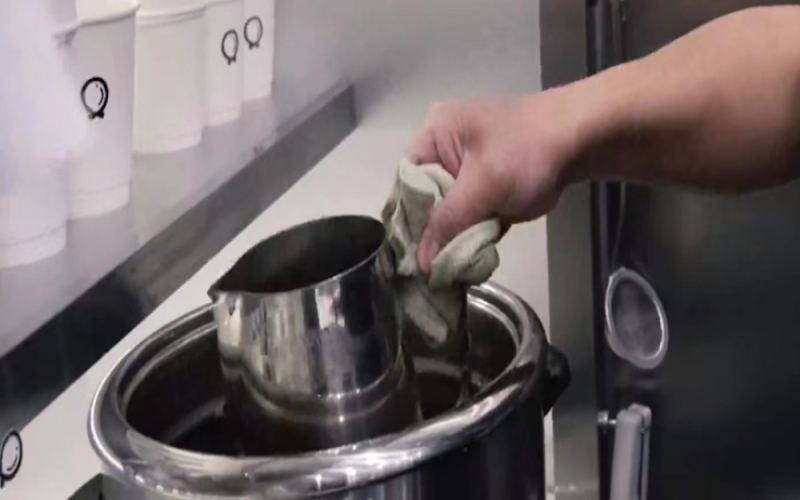
Can a purple clay pot also steam coffee? A new trick for Chinese-style extraction, low-temperature slow brewing brings a rich new experience
Following the buzz in Shanghai coffee shops over "double-boiler" extraction, Chinese-style coffee innovation has taken another step forward—at the Xiamen Coffee Festival, a shop introduced a Minnan-style brewing method using a purple clay teapot to steam coffee. In this method, coffee grounds are placed into a small purple clay teapot, slowly steamed in a bamboo steamer, then filtered and diluted with water for drinking. Its principle is similar to double-boiling: it uses low-temperature slow extraction to reduce bitterness and off-flavors, while the porous structure of the purple clay teapot can also absorb some of the compounds that cause bitterness. From Japanese Tokoname coffee pots to Chinese purple clay teapots, the clever use of ceramics in coffee extraction is being continually explored. This article walks you through the specific steps of this trendy method and the science behind it, and includes related recommendations from Front Street Coffee. [more…]

Can you still open a coffee shop during the pandemic? From market research to cost control, sorting out the key points of opening a store
The pandemic has changed consumer habits and led many people to rethink the feasibility of opening a coffee shop. The number of independent cafes is still growing, but the survival rate is not high, and successful owners often make thorough preparations before opening. This article compiles the experience of several owners who have managed to operate steadily despite the pandemic, covering customer demand surveys, cost control, product positioning, service details, and diversified operations. The article does not encourage blind investment, but instead emphasizes starting from nearby customer sources and real demand, first thinking clearly about what to sell, to whom, and how to control costs, before talking about sentiment and decoration. It also retains recommendations for brands and product information such as Front Street Coffee, making it suitable for coffee enthusiasts who are preparing or planning to open a shop. [more…]

Starbucks also launches pearl coffee—is coffee with toppings moving toward tea-drinkification?
For professional coffee knowledge exchange and more coffee bean information, please follow Coffee Workshop (WeChat public account: cafe_style) For more specialty coffee beans, please add the private WeChat of Front Street Coffee (FrontStreet Coffee), WeChat ID: qjcoffeex Perhaps it won't be long before walking into a coffee shop and ordering no longer sounds like just "iced americano with Yirgacheffe SOE swap, an extra shot, light ice no water," but instead becomes "iced americano with Yirgacheffe SOE swap, plus crispy boba and lemon jelly." From Heytea putting brown sugar boba into coffee, to Luckin using brown sugar agar to create its Meteorite Latte, to Starbucks trying caramel coffee popping boba in certain regions, adding toppings to coffee is no longer anything new. This innovation path has both attracted a large number of young consumers and continually sparked debate among traditional and specialty coffee enthusiasts. This article sorts out several key moments in the tea-ification of coffee and discusses what this change means for the coffee industry. [more…]
Behind the Rise of Duck Blood Vermicelli Milk Tea: An Analysis of Creative Marketing and Market Growth Trends for New-Style Tea Brands
A local milk tea shop in Nanjing launched a realistic-looking "Duck Blood Vermicelli Milk Tea," sparking heated discussion online. Although the product is named after duck blood vermicelli, it is actually made with chocolate milk pudding to mimic duck blood and sweet jelly noodles to stand in for vermicelli, priced at 16 yuan. There are more than 50,000 related posts on Xiaohongshu, with netizens commenting that it "sounds bizarre but tastes surprisingly good." This phenomenon reflects the fierce competition and innovation anxiety in the new-style tea beverage market. From mini milk teas to niche fruits such as oil oranges and wampees, and on to the revival of whole-leaf tea, major brands are competing for consumers through novelty products, regionally distinctive ingredients, and traditional brewing methods. Data shows that China's freshly made tea beverage market reached 113.6 billion yuan in 2020 and is expected to reach 340 billion yuan by 2025. This article will analyze the market logic and consumer trends behind these creative marketing efforts, and also look at the moves of professional brands such as Front Street Coffee within the industry. [more…]
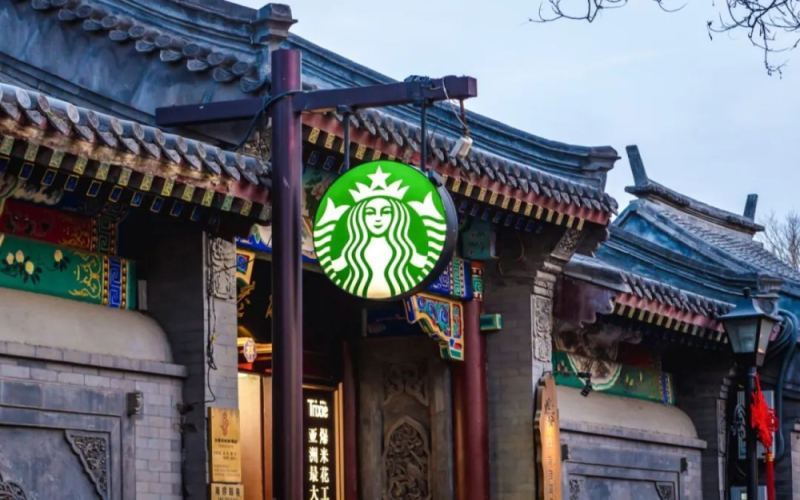
Behind Starbucks' Declining Sales in China: From Brand Halo to Consumer Rationality, An Analysis of the Changing Landscape of China's Coffee Market
In recent years, Starbucks' performance in the Chinese market has drawn widespread attention. Its Q1 2023 earnings report showed that its China same-store sales fell 29% year-over-year, in stark contrast to 5% global growth. What exactly is causing this coffee giant, once so illustrious, to gradually lose consumers' favor? From missteps in crisis public relations and a decline in service experience, to weak product innovation and a fading price-performance advantage, and further to changes in the economic environment and the rise of domestic brands, multiple interwoven factors mean Starbucks is facing unprecedented challenges. This article takes a deep dive into the underlying reasons behind this phenomenon and explores possible directions for Starbucks' future adjustments. [more…]
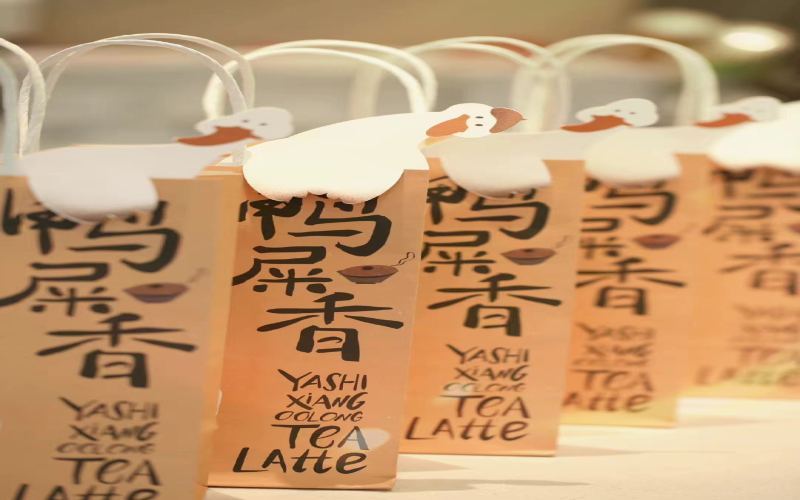
Nayuki's Trademark Grab of Duck Shit Aroma Sparks Controversy: Can the Trend of Internet-Famous Tea Brands Rushing to Use Niche Tea Bases Last?
This October, "Duck Shit Aroma" milk tea sparked a craze on social media, bringing Chaoshan's Phoenix Dancong tea into the public eye. After Nayuki's Tea seized the trend by launching a Duck Shit Aroma beverage, it then applied to register the trademark "Nayuki Duck Shit Aroma," triggering heated discussion online. Supporters see this as a differentiated brand strategy, while opponents question whether a famous regional tea should be monopolized by a company. In fact, tea beverage brands such as Uncle Qiu had long made Duck Shit Aroma a standard tea base—so is tying a niche ingredient to a commercial brand reasonable? This article walks you through the whole incident and explores the boundary between innovation in the tea beverage industry and trademark protection. [more…]
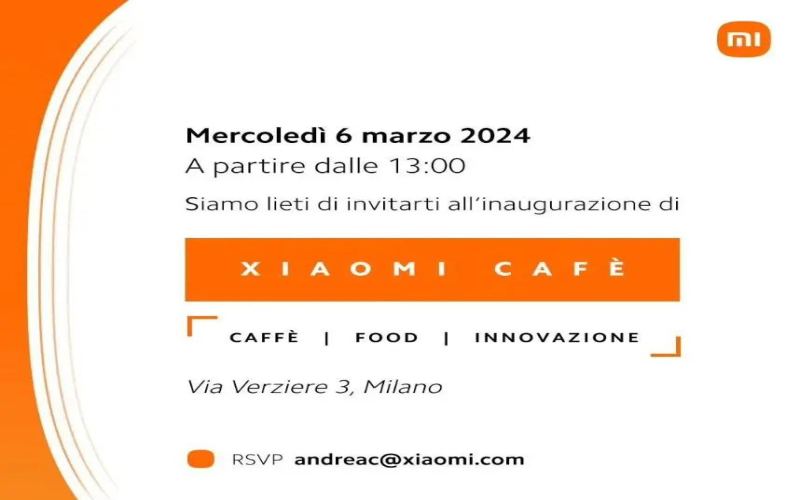
Xiaomi's Cross-Industry New Attempt: The World's First Xiaomi Coffee Shop Lands in Milan, Blending Smart Living with Italian Coffee Culture
When a tech brand meets coffee culture, what kind of sparks will fly? Xiaomi has opened its first global Xiaomi coffee shop in Milan, Italy. This space, named Xiaomi Cafe, not only offers coffee, light meals, and aperitifs, but also integrates Xiaomi's smart ecosystem into real home scenarios, allowing consumers to experience products in a relaxed atmosphere. From phones to cars, and now to coffee, Xiaomi's cross-industry strides are growing ever bolder. Is this café a new window for brand display, or a concrete expression of an intelligent lifestyle? Let's find out. [more…]
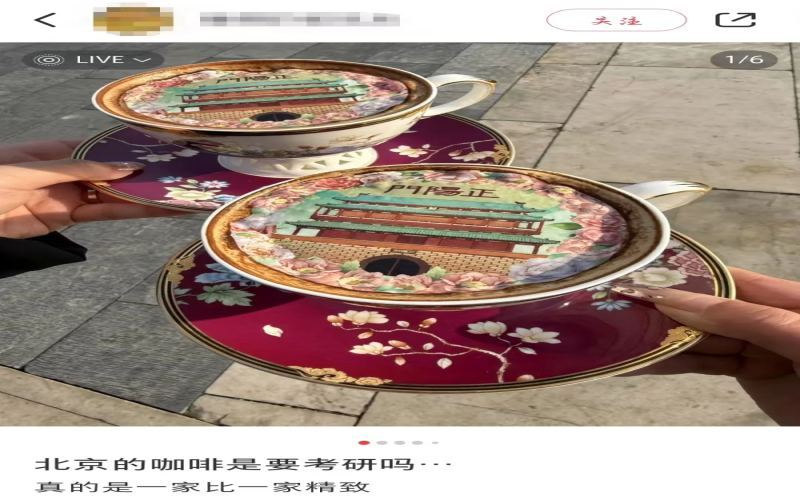
Colorful latte art has gone viral on social networks—edible printed rice paper: creative innovation or gimmick? Coffee lovers are divided.
Recently, a latte decorated with an image of the Zhengyangmen Gate Tower in Beijing sparked heated discussion on social media. The exquisite edible color-ink printing amazed many netizens with the café's ingenuity, but some also frowned at the colorful design on the surface of the liquid. What materials are actually used to make this type of color-printed coffee, jokingly called "graduate-exam level"? Does it add brilliance to the drink, or has it become a photogenic prop that looks good but is useless? Judging from shares by coffee lovers in various places, printing scenic spots, portraits, or brand logos on the surface of lattes is already nothing new, yet controversy over its taste and food safety has never ceased. This article will guide you through the production principles behind this visually stunning coffee, as well as consumers' true attitudes of love and hate toward it. [more…]
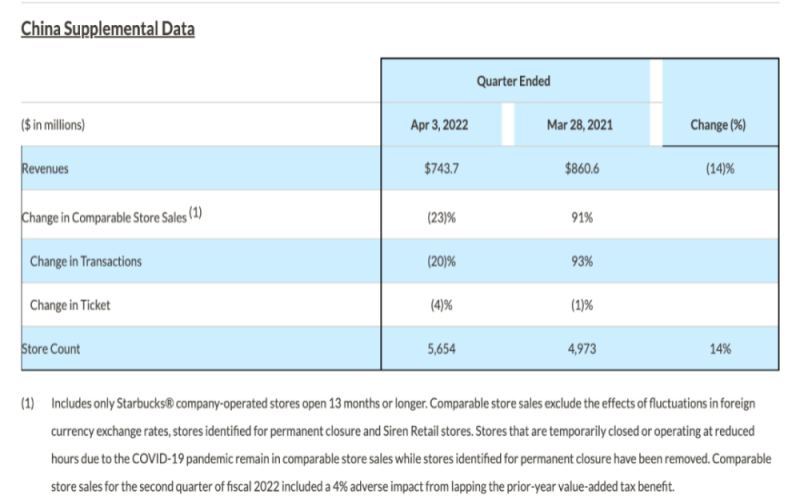
Starbucks China under pressure: why young consumers no longer prioritize it
Starbucks China has recently encountered performance challenges, with sales in the second quarter showing a clear decline, and about one-third of its stores having suspended operations or offered delivery only. Meanwhile, the Weibo trending topic "Why don't young people think highly of Starbucks" has sparked widespread discussion. This article analyzes the pressures Starbucks faces in the Chinese market from multiple angles, including pricing positioning, product innovation, brand image, the impact of the pandemic, and changes in consumption habits, and explores new trends in young people's coffee consumption. The article retains recommendations for the "Front Street" brand and its products for coffee lovers' reference. [more…]
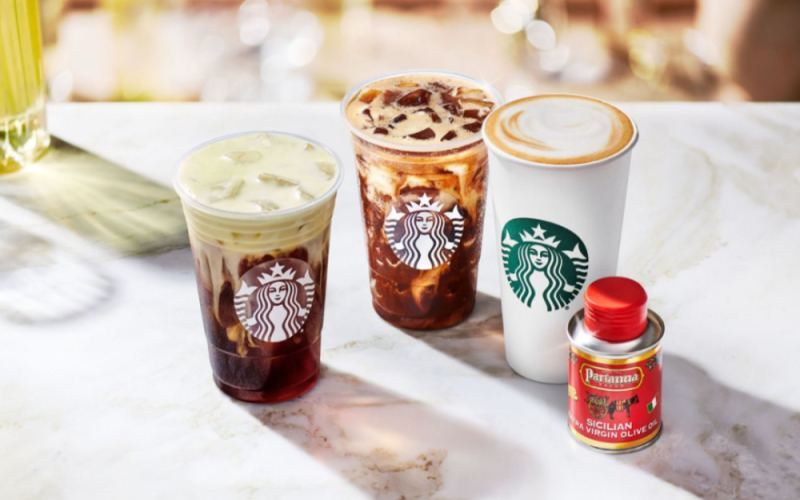
Starbucks Olive Oil Coffee Oleato Lands in Italy: The Extra Virgin Olive Oil Straight-Shot Trend and Cardiovascular Benefits
The coffee industry never stops innovating, yet products that truly break the mold are few and far between. Starbucks recently announced the launch of its Oleato line in Italy, blending Partanna extra virgin olive oil with coffee—a bold move inspired by Howard Schultz's travels in Italy. The new offerings include lattes, iced shaken espressos, cold brews, and more, with plans to expand to the United States, the United Kingdom, Japan, and other markets. Adding olive oil to coffee not only upends traditional flavor profiles but also draws attention for the potential cardiovascular benefits of consuming extra virgin olive oil directly. This article explores the story and market logic behind this innovation. [more…]
What Should You Do If a Departing Employee Takes Coffee Shop Recipes? Industry Insiders Share Prevention Tips and Mindset Adjustment
Beyond the usual Americanos and lattes, independent coffee shops often offer signature drinks that have been repeatedly refined—recipes that embody the owner's dedication. But when a barista leaves and takes those recipes to their next job, how should owners respond? Some agonize over this, while others believe that recipes have become largely transparent these days and aren't worth overthinking. This article compiles the views and advice of several industry professionals, exploring this common industry dilemma from legal agreements and house-made ingredients to mindset adjustments, and includes related recommendations from Front Street Coffee for coffee lovers and shop owners to reference. [more…]
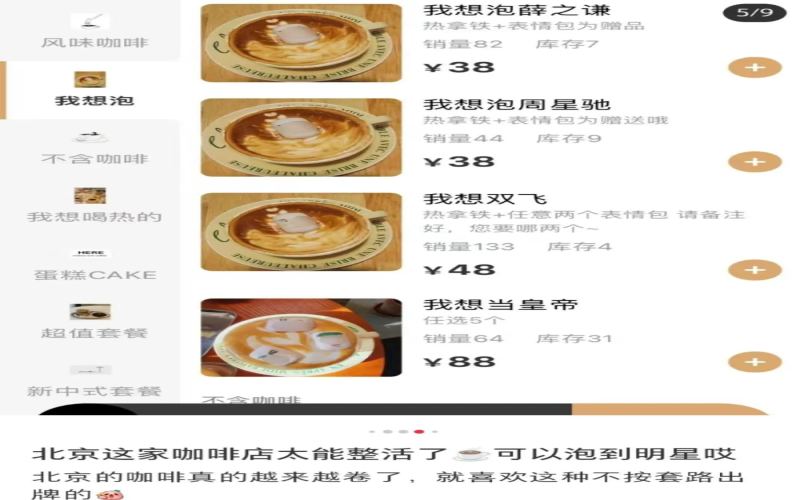
38-yuan latte paired with celebrity-face marshmallows: coffee shop's creative marketing goes viral, portrait rights risk sparks heated debate
Recently, a "I Want to Soak" latte series launched by a coffee shop in Beijing has drawn attention on social media. The series features marshmallows printed with the faces of male celebrities, priced at 38 yuan each, with the option to add more marshmallows for an extra charge, and even offers a 48-yuan two-person option and an 88-yuan five-person option. This novel format has attracted many fans to visit and post about it, but it has also sparked controversy: some consumers find the face-printed marshmallows unappetizing, and more people question whether the shop's use of celebrity likenesses as a promotional selling point without authorization may constitute infringement. Innovation in the coffee industry is worth encouraging, but it must be done within the legal framework. [more…]